In the world of high-stakes litigation, facts alone aren’t always enough. When the courtroom is filled with shock, grief, and uncertainty—especially in murder cases with large forensic evidence—the ability to visually reconstruct the truth can mean the difference between a life sentence and an acquittal.
That’s where forensic animation becomes a powerful ally in the pursuit of justice.
These animations aren’t just visual aids. They’re scientifically accurate, emotionally compelling, and legally admissible tools that transport jurors to the heart of the crime scene. Below are three unforgettable examples where forensic animation shifted the course of a trial—and changed lives forever.
1. The Interactive Apartment: Rebuilding a Grisly Murder Scene
In the brutal case of graphic novelist Blake Leibel, forensic animation played a pivotal role in securing a conviction. His girlfriend was found murdered in their apartment, and the crime scene was as chilling as it was complex. Verbal testimony could only go so far—so the legal team turned to a digital solution.
Using 3D scanning, expert witness reports, and forensic photographs, an interactive apartment exhibit was created. This immersive courtroom experience allowed jurors to virtually walk through the rooms where the violence occurred—seeing exactly where DNA was discovered, how the layout affected the crime, and where the body was found.
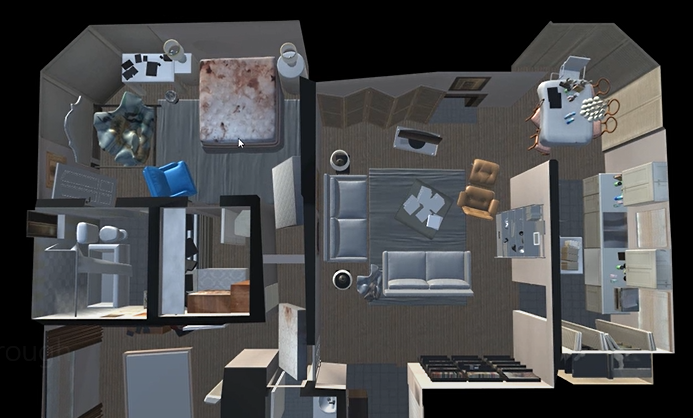
The result? A visual story so compelling it erased all doubt. When jurors see the evidence for themselves, the truth hits harder—and justice follows.
2. A Wrongfully Accused Man Walks Free After 11 Years
Imagine losing over a decade of your life to a flawed eyewitness account. That’s exactly what happened—until a defense attorney joined forces with a forensic animation team to uncover the truth.
In the retrial, the animation recreated the witness’s point of view, revealing that she couldn’t have seen what she claimed. By using laser-scanned data of the scene, the defense highlighted how distance, obstruction, and perspective undermined her testimony.
The jury watched the animation—first in full, then again with legal narration. As the scene unfolded before their eyes, doubt took root. The result? A not guilty verdict. One man walked free, his freedom restored through the undeniable clarity of demonstrative evidence.
3. From Aviation Crashes to Celebrity Cases: A Proven Strategy
Forensic animations don’t just clarify complex civil cases like plane crashes or vehicle collisions—they also play a critical role in murder cases with large forensic evidence.
In high-profile trials like O.J. Simpson, George Zimmerman, and Kyle Rittenhouse, animations helped jurors visualize timelines, force dynamics, and environmental factors that testimony alone couldn’t fully convey.
These visual tools translate abstract facts into gripping, unforgettable stories. In one case, a jury delivered a favorable verdict just two hours after viewing the animation.
Why It Works: Emotion, Science, and Storytelling
Studies have shown that jurors retain 10% of what they hear and 87% of what they see. In emotionally charged cases, like those involving violent deaths, clear and compassionate visual storytelling becomes not just powerful—but essential.
At Courtroom Animation, we’ve helped secure over $1 billion in verdicts and settlements with a 99% admissibility rate. Whether challenging unreliable testimony or clarifying a crime scene, we turn chaos into clarity.
Ready to Visualize the Truth?
Whether your case involves criminal charges, accident reconstruction, or civil disputes, our forensic animators turn complex data into powerful courtroom visuals.
When justice is on the line, don’t just tell the story—show it.
When justice is on the line, let your story be seen.
Free eBook: The Complete Introduction to Forensic Animation

Whether you are considering animation for one of your cases, or you simply want to be prepared for when the other party uses an animation, our eBook is your guide to understanding forensic animation.