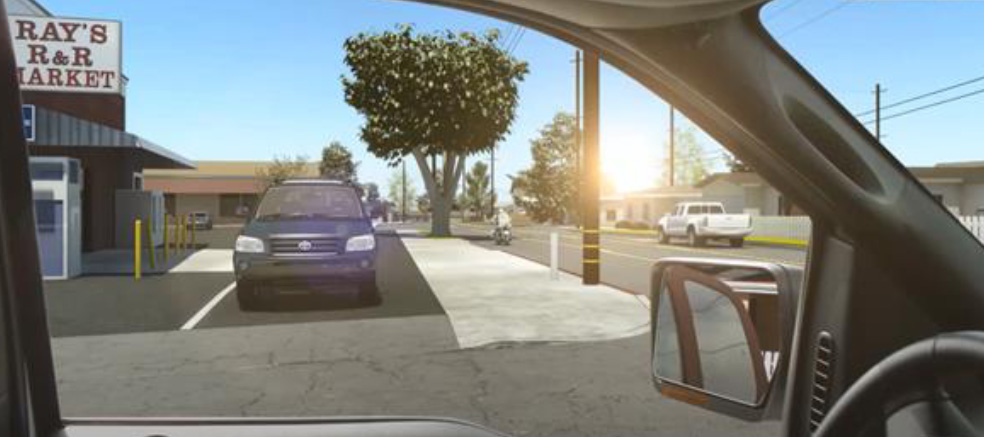
Personal injury cases rely on proof. You must show what happened. You must also explain how injuries occurred and why they matter. But complex injuries and accident mechanics are hard to visualize. Jurors may not understand technical language. Insurance adjusters may resist claims. Defense attorneys may argue alternative theories.
This is where 3D forensic animation can change the outcome. It helps decision-makers understand the full impact of the injury.
Let’s explore how 3D forensic animation in personal injury cases supports stronger settlements and verdicts.
What Is 3D Forensic Animation?
3D forensic animation recreates an event using scientific data. Experts rely on:
- medical imaging
- crash data
- police reports
- biomechanics
- black-box recordings
- site measurements
The animation shows what happened step-by-step. It can illustrate crashes, premises liability incidents, workplace accidents, product failures, and medical injuries.
If you want a deeper dive, see Courtroom Animation’s guide:
Forensic Animation & Legal Cases
Why Visuals Work in Personal Injury Cases
Words alone often fail. Research shows that visual evidence strongly influences juror understanding and decision-making. Studies published by the National Library of Medicine found that visual exhibits impact perceptions of responsibility and seriousness of harm. Jurors exposed to visual evidence make more decisive interpretations than those relying on text-only information.
“The use of 3D imaging modalities in the courtroom is the current manifestation of illustrative evidence in a long timeline of evidential graphics. This research has demonstrated that the use of 3D imaging technology offers practical advantages to the courtroom, specifically with respect to the juror’s understanding of technical language. The results show that juror comprehension increases with the use of 3D digitisations and 3D-printed replicas.”
National Library of Medicine
This does not mean visuals manipulate jurors. Instead, they reduce confusion. They ensure facts are understood.
Courtroom Animation explains more about demonstrative evidence here:
What Is the Difference Between Real and Demonstrative Evidence?
Benefit #1 — Visuals Explain Complex Injuries Clearly
Medical terminology feels overwhelming. Jurors rarely have medical training. Insurance adjusters may also misunderstand the extent of the injury.
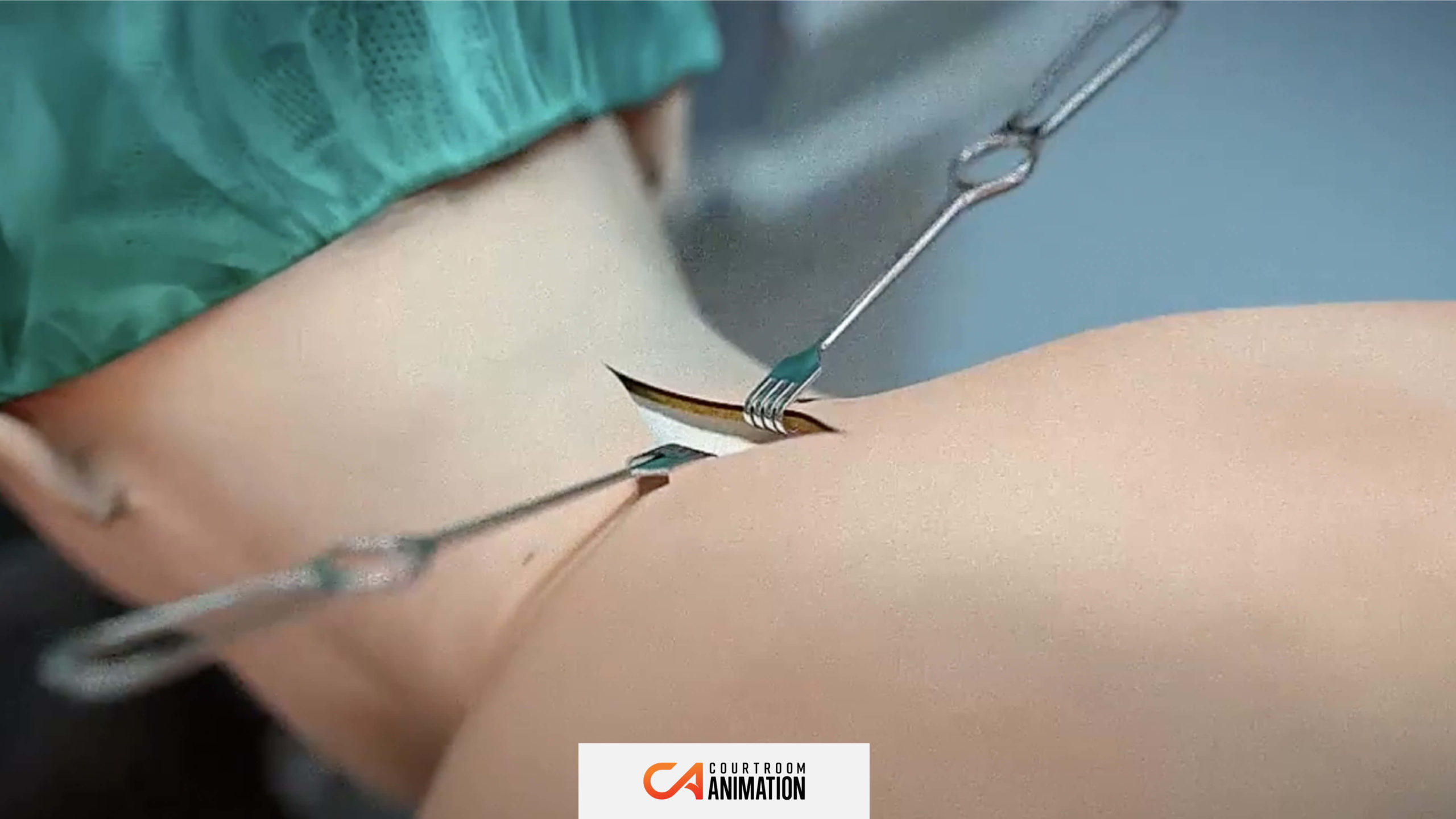
3D forensic animation solves this problem.
It can show:
- disc herniations
- spinal cord compression
- brain trauma
- torn ligaments
- surgical procedures
- long-term damage
Instead of reading radiology reports, jurors see the damage.
Animations help explain causation. They show that THIS accident caused THIS injury.
This supports fair compensation because it:
✔ connects negligence to harm
✔ clarifies pain and long-term impact
✔ strengthens expert testimony
To see examples, review:
5 Types of Courtroom Graphics That Help Your Case
Benefit #2 — Animations Reconstruct the Event Accurately
Personal injury claims often involve disputes over:
- speed
- reaction time
- visibility
- angles
- physics
A 3D forensic animation recreates the event using verified data. This makes the explanation objective and defensible. The animation does not guess. It visualizes the evidence.

Attorneys can show:
- how a vehicle impacted a pedestrian
- where a fall occurred
- how an equipment malfunction injured the plaintiff
- how force traveled through the body
This increases credibility and reduces room for speculation.
For more insight on admissibility and accuracy, see:
5 Ways to Ensure Your Legal Animation Is Admissible in Court
Benefit #3 — Animations Strengthen Negotiation Leverage
Most personal injury cases settle.
But fair settlement only occurs when the defense:
✔ understands the strength of the case
✔ understands the risk of trial
Animations play a major role in this process.
Insurance representatives and defense counsel often reassess liability when they see a clear, scientifically-grounded animation. It becomes harder to deny fault. It becomes easier to recognize exposure.
Attorneys report that animations:
- increase attention during mediation
- speed up negotiations
- encourage higher settlement offers
Because visuals make the case undeniable.
Courtroom Animation shares impact examples here:
9 High-Profile Cases Where Evidence Animation Influenced the Outcome
Benefit #4 — Jurors Remember Visuals Better Than Words
Memory research consistently shows that people retain visual information longer than verbal statements. Jurors may sit through hours of testimony. Details blur.
A strong 3D forensic animation leaves a lasting impression.
Jurors remember:
- how the event unfolded
- where errors occurred
- how the injury developed
This helps attorneys tell a cohesive story. A story grounded in evidence. A story that supports justice for the injured party.

For more examples of persuasive demonstrative storytelling, see:
7 Most Impactful Demonstrative Evidence Examples
When to Use 3D Forensic Animation in Personal Injury Cases
Attorneys often use animation when:
- liability is contested
- injuries are complex
- expert testimony is technical
- jurors need to understand biomechanics
- opposing sides present conflicting narratives
The earlier you involve an animation team, the better. Early collaboration ensures alignment with expert opinion and case theory.
Learn more about services here:
Choosing the Right Animation Partner
Quality matters. Look for a team that:
✔ collaborates with your experts
✔ uses verifiable data
✔ understands admissibility rules
✔ delivers accurate, not exaggerated, visuals
Your animation should support truth. Not dramatize it.
Courtroom Animation specializes in forensic-grade accuracy backed by expert collaboration and scientific methodology.
Final Thoughts
3D forensic animation does more than create striking visuals. It clarifies truth, empowers jurors, supports experts and it strengthens the case for fair compensation.
In a 3D forensic animation personal injury case, visuals help decision-makers see what words and charts cannot. When used correctly, animation becomes a powerful tool in the pursuit of justice.
If you want to explore whether animation can support your case, your team is here to help.
Free eBook: The Complete Introduction to Forensic Animation

Whether you are considering animation for one of your cases, or you simply want to be prepared for when the other party uses an animation, our eBook is your guide to understanding forensic animation.