
Jurors don’t decide cases based on words alone.
They rely on what they understand—and what they remember.
That’s where demonstrative evidence matters.
When you present visuals alongside testimony, comprehension improves. Retention improves. Your argument becomes clearer.
But timing matters just as much as the visual itself.
If you introduce demonstrative evidence at the wrong stage, you lose impact. In some cases, you risk admissibility issues.
This guide walks you through when and how to introduce demonstrative evidence to a jury—from early case prep to closing argument.
What Is Demonstrative Evidence?
Demonstrative evidence helps explain real evidence.
It does not create new facts. It illustrates them.
Common examples include:
- timelines
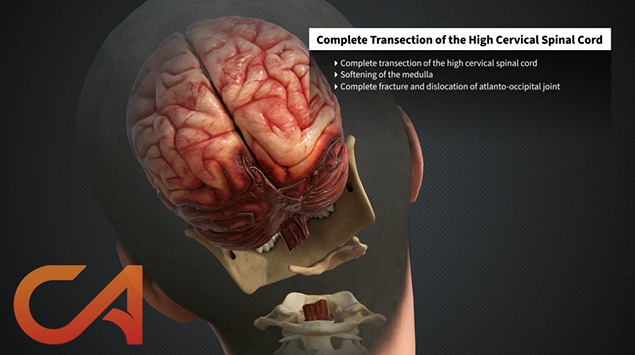
- medical illustrations
- 3D forensic animations
- charts and diagrams
These visuals support testimony and clarify complex issues.
Example of Both Defense & Plaintiff Demonstrative Exhibits at Trial
Step 1: Test Your Visuals Before Trial
Start early.
Before trial begins, show your demonstrative evidence to a focus group.
This step helps you answer key questions:
- Do viewers understand the message?
- Does the visual feel biased or confusing?
- Does it match the facts?
Early feedback allows you to fix problems before they matter.
It also strengthens admissibility. Courts favor visuals that have been vetted and refined.
Interested in what demonstrative evidence you can show the jury? Read one of our latest articles to see real trial demonstrative evidence examples.
Step 2: Share with Opposing Counsel and Experts
Do not wait until trial.
Introduce your demonstrative evidence during discovery.
Show it to:
- opposing counsel
- your expert
- opposing experts
This step does two things:
- It reduces objections
- It strengthens credibility
If your expert confirms the visual is accurate, your foundation becomes stronger.

Step 3: Use Demonstrative Evidence in Opening Statements
Opening statements set the tone.
This is your first chance to guide the jury.
Use visuals to:
- introduce key themes
- explain the incident clearly
- give jurors a roadmap
A strong opening visual helps jurors follow your case from the start.
Keep it simple. Avoid overwhelming detail.
Step 4: Support Expert Testimony with Visuals
Expert testimony can lose jurors.
Technical language creates distance.
Demonstrative evidence closes that gap.
Use visuals to:
- simplify complex concepts
- show step-by-step processes
- highlight key findings
Instead of asking jurors to imagine, you show them.
That shift makes a difference.
Discover if a demonstrative exhibit could fit into your client’s budget by downloading our free trial graphic pricing guide.
Step 5: Reinforce Your Case During Closing Arguments
Closing arguments are your final opportunity.
This is where visuals create lasting impact.
Use demonstrative evidence to:
- summarize key facts
- revisit your strongest points
- reinforce expert conclusions
Jurors remember what they see.
A clear visual during closing can stay with them during deliberation.
When Demonstrative Evidence Becomes Most Effective
Timing matters.
Strong cases introduce visuals at multiple stages:
- pre-trial testing
- discovery
- opening statements
- expert testimony
- closing arguments
Each stage builds on the last.
By the time jurors deliberate, your narrative feels complete.
Admissibility: What Courts Expect
Courts do not allow exaggerated visuals.
To admit demonstrative evidence, it must:
- fairly represent the facts
- support testimony
- avoid misleading elements
If a visual appears biased, it can be excluded.
That’s why early review and expert validation matter.
When one plaintiff attorney presented trial demonstratives, the jury awarded their client an $8 million verdict.
Why Demonstrative Evidence Works
Visuals improve understanding.
They also improve recall.
Research in cognitive science supports this. People process visual information faster than text alone.
In a courtroom, that matters.
Jurors hear hours of testimony. Visuals help them organize and remember what matters.

The Bottom Line
Demonstrative evidence is not just helpful—it’s strategic.
When you introduce it at the right time, it:
- strengthens your argument
- improves juror understanding
- increases persuasive impact
Start early. Stay accurate. Keep it clear.
That’s how you maximize results.
Free eBook: The Complete Introduction to Forensic Animation

Whether you are considering animation for one of your cases, or you simply want to be prepared for when the other party uses an animation, our eBook is your guide to understanding forensic animation.