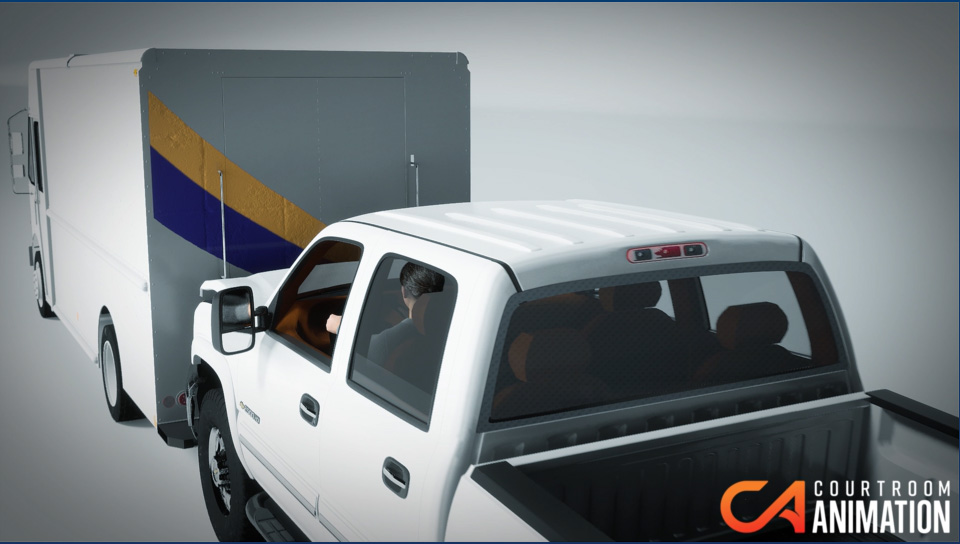
When attorneys first hear the phrase animate your case, they sometimes imagine flashy visuals designed for show. But in practice, 3D trial animation is far from theatrics. These courtroom visuals, when paired with expert witness testimony, serve as powerful tools to simplify complex information, strengthen credibility, and ensure that jurors retain the most critical points of a case.
Why Animating Your Case Works
Jurors today expect clarity. They are bombarded with information in everyday life, and when they enter a trial, the same rules apply: they want to see what happened, not just hear about it. Attorneys who choose to animate your case give jurors a lasting mental anchor. Unlike testimony alone, a 3D trial animation allows the jury to visualize events frame by frame, reinforcing the attorney’s narrative.
Studies on trial outcomes show that visual demonstratives significantly increase juror understanding. When a juror remembers the animation in deliberation, they are remembering your client’s story — with precision.
The Role of a 3D Animation Expert Witness
Animations alone aren’t enough. Courts require that visuals be tied to admissible evidence, which is where the 3D animation expert witness comes in. These experts ensure that every frame of the animation is backed by data, whether from accident reconstruction reports, medical imaging, or technical measurements. Their role is to explain to the jury how the animation was created, why it is reliable, and how it connects directly to the case facts.
When attorneys animate your case with expert testimony, they aren’t just showing a video — they’re presenting a scientifically grounded exhibit that withstands scrutiny.
A Collaborative Process With Attorneys
Every animation begins with the attorney’s story. What point needs to be proven? What evidence must the jury remember? From there, experts translate raw data — police reports, medical scans, engineering models — into a courtroom-ready 3D trial animation. Throughout the process, attorneys and paralegals stay involved, ensuring that every visual supports the narrative strategy.
This collaboration means that the animation isn’t an add-on; it’s a core trial exhibit designed to persuade.
Choosing the Right Type of Visual
Not every case requires a full animation. Sometimes a still graphic or medical illustration may suffice. But when the case involves complex sequences, like vehicle collisions, surgical procedures, or workplace accidents, 3D trial animation offers unmatched clarity. It allows jurors to replay, slow down, and fully grasp cause and effect.


The result? Jurors not only understand what happened but also remember it when it matters most.
Final Takeaway
When you animate your case, you elevate your trial strategy. A 3D trial animation paired with a 3D animation expert witness can make the difference between a confusing set of facts and a compelling story that jurors believe and retain.
In a courtroom where every detail matters, the question is no longer if you should animate your case — it’s how soon can you start?
Free eBook: The Complete Introduction to Forensic Animation

Whether you are considering animation for one of your cases, or you simply want to be prepared for when the other party uses an animation, our eBook is your guide to understanding forensic animation.